
|
Why It's Important to Replace Missing Teeth
Burlington, MAMissing teeth can affect much more than the appearance of a smile. Whether tooth loss occurs due to injury, decay, or gum disease, the absence of one or more teeth can influence daily comfort, oral function, and long term dental health. Many people are surprised to learn that the effects of missing teeth often extend beyond the visible gap. Changes can occur in how you chew, speak, and even how your jawbone and surrounding teeth function over time. Understanding these effects highlights why timely tooth replacement plays such an important role in maintaining a healthy, confident smile. 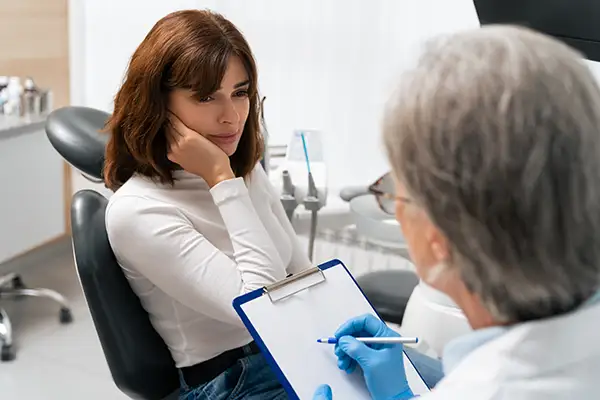
Effects Of Missing TeethCause EmbarrassmentOne of the most immediate effects of missing teeth is the emotional impact. Gaps in the smile can make individuals feel self conscious, especially when speaking, laughing, or smiling in social settings. This embarrassment may lead some people to avoid photos, cover their mouth while talking, or withdraw from conversations altogether. Over time, this loss of confidence can affect personal relationships, professional interactions, and overall quality of life. A complete smile often supports self assurance, and missing teeth can quietly erode that sense of comfort in everyday moments. Affect Chewing And BiteTeeth work together to break down food efficiently. When one or more teeth are missing, the balance of the bite can be disrupted. Chewing may become uneven, forcing remaining teeth to handle more pressure than they were designed for. This can make it difficult to enjoy certain foods and may even lead to digestive discomfort if food is not properly chewed. In addition, bite misalignment caused by missing teeth can contribute to jaw strain, muscle tension, and discomfort around the jaw joints. Decrease Jawbone Strength And MassThe jawbone relies on stimulation from tooth roots to maintain its strength and density. When a tooth is lost, that stimulation is reduced in the affected area. Over time, the jawbone can begin to shrink or weaken, a process known as bone resorption. This change may alter facial structure, sometimes leading to a sunken appearance around the mouth. Reduced jawbone mass can also affect overall facial balance and may complicate future restorative care if tooth loss is left unaddressed. Affect Other TeethMissing teeth can place surrounding teeth at risk. Adjacent teeth may begin to shift into the empty space, which can lead to misalignment and spacing issues. As teeth move, they can become harder to clean effectively, increasing the likelihood of plaque buildup and gum irritation. The added strain placed on remaining teeth during chewing can also contribute to uneven wear or fractures over time. Additional Health Concerns Linked To Missing TeethSpeech ChangesTeeth play an important role in forming certain sounds. When teeth are missing, speech may be affected, causing slurring or difficulty pronouncing words clearly. Even small changes in speech patterns can lead to frustration or embarrassment in social or professional settings. Replacing missing teeth helps restore proper airflow and tongue placement, improving clarity and confidence when speaking. Increased Risk Of Gum IssuesGaps left by missing teeth can trap food particles and bacteria more easily. Without proper replacement, these areas may become harder to keep clean, increasing the likelihood of gum irritation and inflammation. Over time, this can affect surrounding tissues and may contribute to further oral health concerns. Maintaining a full, balanced smile helps support healthier gums and easier daily oral care. How To Restore Missing TeethBridgesDental bridges are a common solution for replacing one or more missing teeth in a row. A bridge uses neighboring teeth for support, filling the gap with a lifelike replacement tooth. This option helps restore the appearance of a complete smile while improving chewing function. Bridges can also help prevent nearby teeth from shifting out of position and restore balance to the bite. DenturesDentures offer a removable option for replacing multiple missing teeth or an entire arch. Modern dentures are designed to look natural and fit comfortably, helping patients regain the ability to speak and eat with greater ease. Partial dentures replace several missing teeth, while full dentures restore an entire smile. Dentures can also help support facial structure and reduce the sunken appearance that can follow tooth loss. Dental ImplantsDental implants provide a stable and long lasting solution for tooth replacement. An implant replaces the root of the missing tooth and supports a custom restoration that looks and functions like a natural tooth. Because implants interact with the jawbone, they help maintain bone strength and preserve oral structure. Dental implants do not rely on neighboring teeth for support, which helps protect surrounding teeth and maintain long term oral health. Long Term Consequences Of Not Replacing Missing TeethChanges In Facial Appearance Over TimeWhen missing teeth are not replaced, gradual changes can occur in the shape and structure of the face. As jawbone mass decreases, the lower portion of the face may begin to appear shorter or collapsed. This can lead to deeper lines around the mouth and a prematurely aged appearance. The lips may lose support, and the cheeks can appear sunken. Replacing missing teeth helps preserve natural facial contours and overall balance. Increased Stress On Remaining TeethThe loss of even one tooth can change how force is distributed during chewing. Remaining teeth often compensate for the missing tooth, absorbing additional pressure over time. This increased workload may lead to enamel wear, fractures, or sensitivity. Teeth that are already weakened by previous dental concerns may be especially vulnerable. Restoring missing teeth helps distribute biting forces more evenly across the smile. Why Early Tooth Replacement MattersAddressing missing teeth early can help prevent many complications associated with tooth loss. Early replacement supports proper alignment, preserves jawbone strength, and maintains comfortable oral function. It can also simplify future treatment by preventing progressive changes that limit restorative options. Taking action early allows patients to protect their smile and overall oral health. Schedule A ConsultationLiving with missing teeth can affect comfort, confidence, and oral health in ways that are not always obvious at first. Replacing missing teeth helps restore function, protect remaining teeth, and support facial structure. Each patient's needs are unique, and a personalized evaluation allows our dental team to recommend the most appropriate solution. Contact Dental Care of Burlington today at 781-362-2260 to schedule a consultation and take the next step toward restoring your smile. |
Get in Touch!PHONE
781-362-2260 info@dentalcareburlington.com LOCATION 113 Terrace Hall Ave, STE 1 Burlington, MA 01803 |