
|
Types of Dental Crowns
Burlington, MA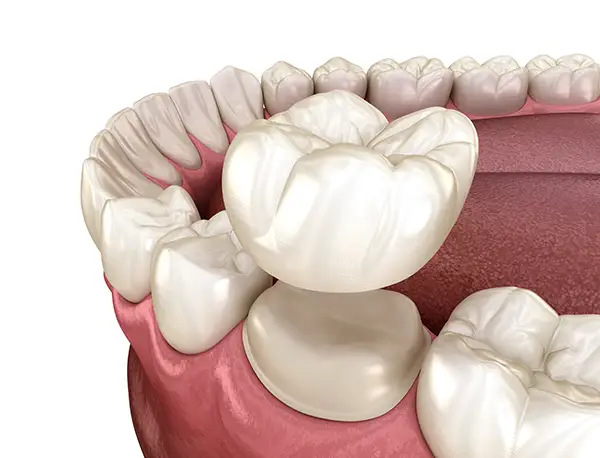 Dental health often involves preserving natural teeth whenever possible, and restorative dentistry plays a major role in making that happen. When a tooth becomes weakened, damaged, or structurally compromised, a dental crown can help restore its function and protect it from further harm. Dental crowns are widely used at Dental Care of Burlington. There are different types available and certain materials may be recommended for specific situations. Dental health often involves preserving natural teeth whenever possible, and restorative dentistry plays a major role in making that happen. When a tooth becomes weakened, damaged, or structurally compromised, a dental crown can help restore its function and protect it from further harm. Dental crowns are widely used at Dental Care of Burlington. There are different types available and certain materials may be recommended for specific situations.What Is A Dental Crown?A dental crown is a custom-made restoration that completely covers the visible portion of a tooth above the gumline. It acts as a protective outer layer, restoring the tooth's shape, size, strength, and appearance while allowing it to function normally during chewing and speaking. Crowns are designed to look natural and blend with surrounding teeth while providing reinforcement for teeth that cannot be restored with fillings alone. Because they fully encase the tooth, crowns offer strong protection against further damage and can significantly extend the life of a compromised tooth. When Are Dental Crowns Used?Dental crowns are recommended in a variety of situations where a tooth requires additional support or restoration:
Crowns help preserve natural tooth structure, restore proper bite alignment, and improve both function and aesthetics. Their versatility makes them one of the most commonly recommended restorative treatments. Are Dental Crowns Only Used For Cavities?Dental crowns are not limited to treating cavities. While they may be placed after removing extensive decay that has weakened a tooth, they also address structural damage, cosmetic concerns, and functional issues. For example, a tooth that has undergone root canal therapy may become more brittle over time, making a crown necessary to provide stability. Teeth that are severely worn from grinding, cracked from injury, or affected by developmental irregularities may also benefit from crown placement. In cosmetic dentistry, dental crowns can improve the appearance of teeth that are significantly discolored, unevenly shaped, or poorly aligned. Their ability to address both restorative and aesthetic concerns makes them a versatile treatment option. Different Types Of Dental CrownsDental crowns are made from several materials, each offering unique advantages depending on the tooth's location, functional demands, and aesthetic considerations. The type of crown recommended often depends on whether the restoration is placed on a front tooth, a back tooth, or a tooth that experiences heavy biting pressure. Porcelain CrownsPorcelain crowns are widely chosen for their natural appearance. They closely mimic the color, translucency, and texture of natural enamel, making them an excellent option for highly visible teeth. These crowns are commonly used on front teeth, where appearance is especially important. They can restore teeth affected by fractures, discoloration, or cosmetic concerns while maintaining a natural-looking smile. Porcelain crowns provide strong aesthetic results and are designed to blend seamlessly with surrounding teeth. While they are durable, they may not always be recommended for areas exposed to significant chewing forces. Porcelain-Fused-To-Metal CrownsPorcelain-fused-to-metal crowns combine strength and appearance by bonding a tooth-colored porcelain exterior to a metal base. The metal structure provides durability, while the porcelain coating offers a natural look. These crowns can be used for both front and back teeth because they balance function and aesthetics. They are often recommended when additional strength is required without sacrificing a natural appearance. Over time, the metal foundation may become visible near the gumline in some cases, particularly if gums recede. However, their combination of resilience and visual appeal makes them a reliable restorative option. All-Ceramic Or All-Porcelain CrownsAll-ceramic crowns, sometimes called all-porcelain crowns, are made entirely from ceramic materials without any metal components. They provide excellent aesthetics and are highly compatible with gum tissue. These crowns are commonly used for front teeth and for patients who prefer metal-free restorations. Their natural appearance and ability to reflect light similarly to natural teeth make them a popular choice for cosmetic improvements. All-ceramic crowns are also beneficial for patients with metal sensitivities. Advances in dental materials have improved their strength, allowing them to be used in more areas of the mouth than in the past. Metal CrownsMetal crowns are made from materials such as gold alloys or other metal combinations. They are known for their exceptional strength and resistance to wear. Because of their durability, metal crowns are often used on back teeth, where chewing forces are greatest and visibility is less of a concern. They require minimal removal of natural tooth structure and rarely fracture or chip. Although their metallic appearance makes them less desirable for visible areas, their longevity and strength make them a practical choice for molars that require maximum protection. Zirconia CrownsZirconia crowns are made from a highly durable ceramic material known for its strength and natural appearance. They provide a balance between aesthetics and resilience, making them suitable for both front and back teeth. These crowns are resistant to cracking and can withstand significant biting pressure. Their tooth-colored appearance allows them to blend with natural teeth while offering the strength often associated with metal restorations. Zirconia crowns are frequently recommended for patients seeking both durability and aesthetics in a single restoration. Resin CrownsResin crowns are typically more conservative restorations made from composite materials. They may be used as temporary crowns or in certain situations where a short-term solution is appropriate. While resin crowns can provide satisfactory appearance, they are generally less durable than other crown materials and may wear down more quickly. For this reason, they are often considered interim restorations while a permanent crown is being fabricated. Which Teeth Receive Dental Crowns?Dental crowns can be placed on any tooth, but the material selection often depends on the tooth's location and function. Front teeth typically require restorations that prioritize appearance, leading to the use of porcelain or ceramic crowns. These materials provide natural color matching and aesthetic enhancement. Back teeth, including premolars and molars, must withstand significant chewing pressure. Stronger materials such as metal, porcelain-fused-to-metal, or zirconia are often recommended in these areas to provide long-term durability. The choice of crown material is carefully considered to ensure that the restoration supports both function and appearance. How Our Dentists Choose The Right CrownSelecting the appropriate crown involves evaluating several factors, including the extent of tooth damage, location in the mouth, bite forces, and aesthetic goals. Our dentists also consider how much natural tooth structure remains, whether the tooth has undergone root canal therapy, and how the restoration will interact with surrounding teeth. Each treatment plan is designed to provide stability, comfort, and long-term function. By choosing the appropriate crown type, our dentists help ensure that the restoration performs effectively while supporting overall oral health. If you have a damaged, weakened, or cosmetically concerning tooth, a dental evaluation at Dental Care of Burlington can determine whether a crown is an appropriate solution. Professional guidance helps ensure the right material and approach are selected to restore comfort, function, and long-term oral health. Contact us today at 781-362-2260. |
Get in Touch!PHONE
781-362-2260 info@dentalcareburlington.com LOCATION 113 Terrace Hall Ave, STE 1 Burlington, MA 01803 |