
|
How Bridges Use Your Natural Teeth
Burlington, MA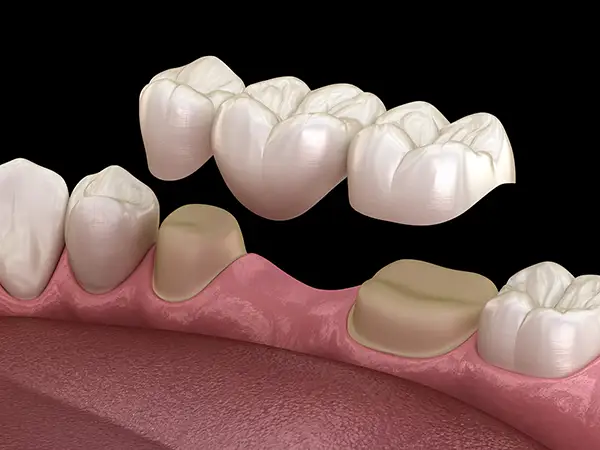 When a tooth is lost, the space it leaves behind does not stay unchanged. Neighboring teeth begin to shift, the way you bite can feel different, and everyday functions like chewing may become less comfortable. A dental bridge offers a reliable way to restore that missing tooth, but what makes this treatment unique is how it works in partnership with the natural teeth you still have. Rather than standing alone, a bridge depends on those surrounding teeth for stability and support, creating a complete, functional smile again. When a tooth is lost, the space it leaves behind does not stay unchanged. Neighboring teeth begin to shift, the way you bite can feel different, and everyday functions like chewing may become less comfortable. A dental bridge offers a reliable way to restore that missing tooth, but what makes this treatment unique is how it works in partnership with the natural teeth you still have. Rather than standing alone, a bridge depends on those surrounding teeth for stability and support, creating a complete, functional smile again.The Components Of A Dental BridgeA dental bridge is designed to "bridge" the gap created by one or more missing teeth. It is made up of several key parts that work together to restore both function and appearance. At the center of the bridge is the replacement tooth, known as a pontic. This artificial tooth is carefully shaped and shaded to blend with your natural smile. On either side of the pontic are dental crowns, which are placed over the natural teeth adjacent to the gap. These supporting teeth are called abutment teeth, and they play a critical role in holding the bridge in place. The bridge relies on these abutment teeth for stability. Before placement, the abutment teeth are reshaped slightly so the crowns can fit securely over them. Once in place, the crowns anchor the pontic, allowing the bridge to function as a single, unified restoration. There are several types of dental bridges available, and each uses natural teeth in slightly different ways:
Each option is selected based on the number of missing teeth, the condition of surrounding teeth, and the overall health of your mouth. Understanding Abutment TeethAbutment teeth are the foundation of a traditional dental bridge. These are the natural teeth located on either side of the missing space, and they are responsible for supporting the entire restoration. Because they carry the load of chewing and biting forces, abutment teeth must be strong and healthy. This means they should have sufficient enamel, stable roots, and healthy surrounding bone and gum tissue. If these teeth are weakened by decay, cracks, or gum disease, they may not be able to provide the level of support needed for a bridge. Preparing abutment teeth involves removing a small portion of enamel so that crowns can fit securely. While this step permanently changes the shape of the tooth, it allows for a precise fit that keeps the bridge stable over time. Once restored with crowns, these teeth act as anchors, distributing pressure evenly across the bridge. This design allows patients to chew comfortably and maintain proper alignment, preventing nearby teeth from shifting into the empty space. How Strong Is A Dental Bridge?A dental bridge is designed to handle the everyday demands of biting and chewing. When properly placed and maintained, it can provide reliable strength for many years. The durability of a bridge depends on several factors, including the health of the abutment teeth, the materials used, and the patient's oral habits. Bridges are often made from strong materials such as porcelain-fused-to-metal or all-ceramic options, both of which are built to withstand regular use. Because the bridge is anchored to natural teeth, it benefits from the stability of those teeth and the surrounding bone structure. This allows it to function in a way that feels natural when eating and speaking. However, it is important to recognize that a bridge is only as strong as the teeth supporting it. If excessive pressure is placed on the bridge, such as from grinding or clenching, the abutment teeth can become strained over time. In some cases, a custom nightguard may be recommended to protect both the bridge and the natural teeth. With proper care, including brushing, flossing, and regular dental visits, a dental bridge can remain strong and functional for many years. Is A Dental Bridge Right For You?A dental bridge may be recommended when one or more teeth are missing and there are healthy natural teeth on either side of the gap. It is often a practical solution for restoring both appearance and function without the need for surgical procedures. There are several situations where a dental bridge may be the right choice:
To qualify for a dental bridge, the surrounding teeth must be in good condition. This includes having healthy gums and sufficient bone support. If the abutment teeth are compromised, additional treatment may be needed before a bridge can be considered. Choosing between a dental bridge and other restorative options depends on several factors. Dental implants may be recommended if there are no strong adjacent teeth to support a bridge. Partial dentures may be considered when multiple teeth are missing in different areas of the mouth. A thorough evaluation allows the dentist to assess your specific needs and recommend the most appropriate solution. Factors such as long-term oral health, bite alignment, and personal preferences all play a role in determining the best treatment. Restoring Balance To Your SmileReplacing a missing tooth is about more than appearance. It is about restoring balance, protecting the health of your remaining teeth, and allowing your bite to function as it should. A dental bridge does this by working in harmony with your natural teeth, using their strength to support a complete and stable restoration. When you choose a dental bridge, you are not just filling a space. You are reinforcing the structure of your smile and helping to prevent future complications that can arise from untreated tooth loss. If you have a missing tooth or have been told you may need a restoration, our team is here to help. Contact Dental Care of Burlington at 781-362-2260 to schedule an evaluation and learn whether a dental bridge is the right solution for your needs. |
Get in Touch!PHONE
781-362-2260 info@dentalcareburlington.com LOCATION 113 Terrace Hall Ave, STE 1 Burlington, MA 01803 |