What to Do When Your Teeth Start Chipping?
Posted on 5/1/2026 by Dental Care of Burlington |
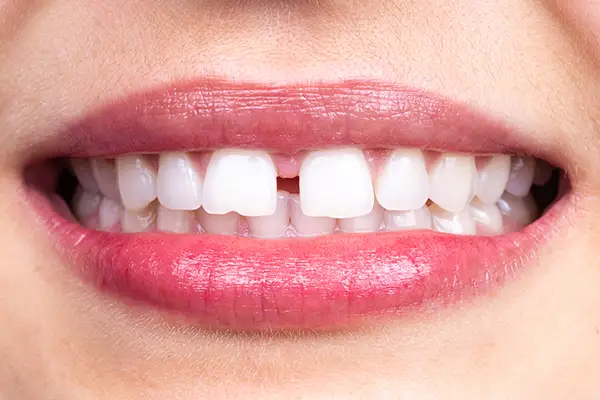 Hey everyone! Have you ever run your tongue across your teeth and felt a little…jagged surprise? Discovering a chipped tooth can be alarming, but try not to panic. It's a pretty common dental issue, and the good news is that there are ways to address it and get your smile back on track. Let's explore what to do if you find yourself in this situation. Hey everyone! Have you ever run your tongue across your teeth and felt a little…jagged surprise? Discovering a chipped tooth can be alarming, but try not to panic. It's a pretty common dental issue, and the good news is that there are ways to address it and get your smile back on track. Let's explore what to do if you find yourself in this situation.
Immediate Steps After Noticing a Chip
First things first, gently rinse your mouth with warm water. This helps to clean the area and remove any loose fragments. If the chipped tooth has a sharp edge that's irritating your tongue or cheek, you can try covering it with sugar-free gum or dental wax (available at most drugstores) for temporary relief. If you're experiencing pain, an over-the-counter pain reliever can help.
The most important step is to schedule a visit with your dentist as soon as possible. Even if the chip seems small and doesn't hurt, it's crucial to have it evaluated. A seemingly minor chip can sometimes indicate a larger underlying problem, such as weakened enamel or a cavity forming.
Why Teeth Chip in the First Place
Understanding why teeth chip can help you prevent future occurrences. Several factors can contribute:
| • |
Trauma: Accidents, falls, or sports injuries are common causes. |
| • |
Biting on Hard Objects: Chewing ice, hard candy, or even pens can put excessive pressure on your teeth. |
| • |
Tooth Decay: Cavities weaken the tooth structure, making it more susceptible to chipping. |
| • |
Grinding or Clenching: This often happens unconsciously, especially during sleep, and can wear down the teeth. |
| • |
Acid Erosion: Acidic foods and drinks, or even acid reflux, can erode enamel, weakening the teeth. |
| • |
Large Fillings: Over time, large fillings can weaken the surrounding tooth structure, making it more prone to fracture. |
What Your Dentist Can Do
When you visit your dentist with a chipped tooth, they will examine the area to determine the extent of the damage and recommend the best course of action. The treatment options will depend on the size and location of the chip.
| • |
Minor Chips: Small chips might be smoothed and polished to remove any sharp edges. |
| • |
Bonding: This involves applying a tooth-colored resin to the chipped area, shaping it to match the natural tooth, and hardening it with a special light. Bonding is a relatively quick and straightforward option for minor to moderate chips. |
| • |
Veneers: For more significant chips, veneers, which are thin shells of porcelain or composite resin, can be bonded to the front surface of the tooth to restore its appearance and protect it. |
| • |
Crowns: If the chip is extensive or has significantly weakened the tooth, a crown, which covers the entire tooth, may be necessary. |
| • |
Root Canal: In rare cases, a very deep chip can damage the nerve inside the tooth, requiring a root canal treatment to save the tooth. |
Your dentist will discuss the pros and cons of each option with you to help you make an informed decision. The goal is to restore your tooth's function and appearance while protecting it from further damage. Restoration dentistry offers a variety of solutions.
Prevention is Key
Maintaining good oral care is essential for preventing chipped teeth. This includes:
| • |
Brushing twice a day with fluoride toothpaste. |
| • |
Flossing daily to remove plaque and food particles. |
| • |
Wearing a mouthguard during sports or if you grind your teeth at night. |
| • |
Avoiding biting on hard objects. |
| • |
Limiting acidic foods and drinks. |
| • |
Regular dental checkups and cleanings. |
By taking these steps, you can significantly reduce your risk of chipping a tooth and keep your smile healthy and strong. Remember, your dentist is your partner in oral health, so don't hesitate to reach out if you have any concerns.
|
|