Types of Dental Implants: How to Choose the Right One for Your Smile
Posted on 5/1/2026 by Dental Care of Burlington |
Are you missing teeth and wondering what your options are? Have you searched for the different types of dental implants and felt overwhelmed by the choices? You are not alone. Many patients ask the same question when they first consider dental implants.
At Dental Care of Burlington in Burlington, Massachusetts, we help patients understand the types of dental implants and how each option can restore comfort and confidence. Dr. Shaibani takes the time to evaluate your smile, jawbone, and long-term oral health goals before recommending treatment.
The right implant solution depends on several factors. These include the number of missing teeth, your bone health, and the stability of your jawbone.
Let's walk through the most common options and how they help replace missing teeth.
Types of dental implants explained: what options do patients have?
When patients first hear about types of dental implants, they often think there is only one solution. In reality, implant dentistry offers several approaches depending on the condition of the jawbone and the number of missing teeth.
In modern dentistry, implants act like natural tooth roots. A titanium implant body sits inside the jawbone. After healing, we attach replacement teeth on top.
At Dental Care of Burlington in Burlington, Massachusetts, Dr. Shaibani evaluates:
| • |
Bone density
|
| • |
Gum condition
|
| • |
How many teeth need replacement
|
| • |
The health of the surrounding teeth |
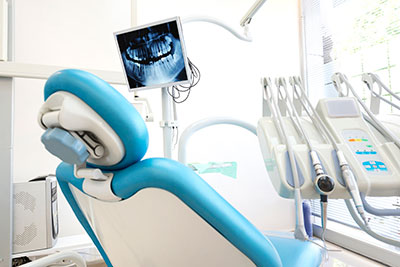
This planning stage uses advanced imaging so we can map the safest implant placement. That careful planning helps ensure a strong success rate and long-lasting tooth replacement.
What are endosteal implants, and why are they the most common type?
Among all types of dental implants, endosteal implants are the most common type used today.
These implants sit directly inside the jawbone. The implant body acts like a root that anchors a dental crown, bridge, or implant-supported dentures.
The procedure involves:
| • |
Placing the implant post into the jawbone
|
| • |
Allowing a healing period where the bone attaches to the implant
|
| • |
Completing abutment placement
|
| • |
Attaching the final restoration |
Endosteal implants work best when patients have a healthy jawbone and enough bone height.
Many patients choose this option because the artificial teeth feel very similar to natural teeth. With proper care, these implants can last many years.
What is a subperiosteal implant, and when is it used?
Another type of dental implant is the subperiosteal implant.
Unlike endosteal implants, a subperiosteal implant sits on top of the jawbone but under the gum tissue. This option may help patients who have experienced bone loss and cannot support traditional implants.
A metal framework rests along the jaw and holds the implant-supported structure in place.
At Dental Care of Burlington in Burlington, Massachusetts, Dr. Shaibani may recommend this option when patients do not have enough healthy jawbone for traditional implant placement surgery.
While not as common as endosteal implants, this procedure still provides a stable solution for replacement teeth when bone support is limited.
What are zygomatic implants and when are they recommended?
Among advanced dental implant types, zygomatic implants help patients with severe bone loss in the upper jaw.
Instead of attaching to the jawbone, zygomatic implants anchor into the cheekbone. This technique helps when traditional implants cannot work due to limited bone height.
Zygomatic implants may support a full arch restoration when standard implants are not possible.
At Dental Care of Burlington, Dr. Shaibani carefully evaluates bone structure before recommending this advanced option. It is typically reserved for complex cases.
This solution allows many patients with severe bone loss to receive stable artificial teeth without extensive grafting.
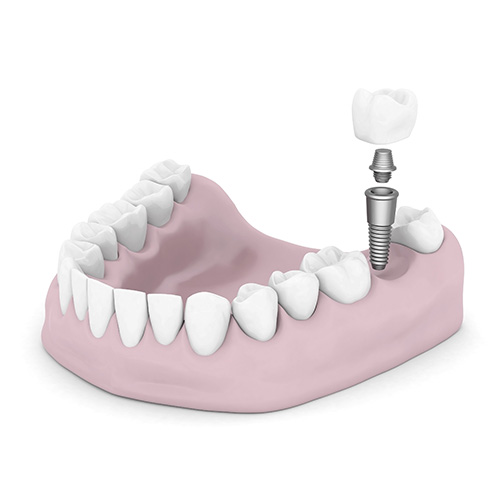 Can dental implants replace one missing tooth?
Yes, implants work very well when you have one missing tooth.
A single dental implant replaces the entire tooth structure. The implant body replaces the root, and a custom crown replaces the visible portion.
Benefits include:
| • |
No damage to adjacent teeth
|
| • |
Natural appearance
|
| • |
Strong chewing ability |
Unlike traditional bridges, implants do not rely on surrounding teeth for support.
For many patients, a single tooth implant restores both function and appearance.
What happens if several teeth are missing?
When several teeth are missing, an implant-supported bridge may be the best solution.
Instead of placing implants for every tooth, we place implants strategically and attach a bridge that replaces multiple teeth.
This option helps patients with several missing teeth restore bite function without relying on removable dentures.
The implant-supported bridge connects to the implant body and provides strong support for everyday chewing.
How do full arch dental implants work?
If you are losing teeth across the entire upper or lower jaw, implants can support a full arch restoration.
Instead of placing implants for every tooth, we place several implants that support a full set of replacement teeth.
A full arch solution often involves:
| • |
Four to six implants
|
| • |
A custom final restoration
|
| • |
A stable bridge that replaces all teeth |
Many patients prefer this option over traditional dentures because it feels more stable.
What if bone loss prevents traditional implants?
Bone loss can occur after losing teeth. Without roots stimulating the bone, the jawbone slowly shrinks.
In these cases, bone grafting or a bone augmentation procedure may rebuild the natural bone needed for implants.
Sometimes we also perform a sinus lift in the upper jaw to create enough bone height.
These steps help restore the healthy jawbone needed for successful implants.
What happens during dental implant surgery?
Dental implant surgery is a carefully planned oral surgery performed in stages.
The typical process includes:
| 1. |
Advanced imaging to evaluate bone structure
|
| 2. |
Implant placement surgery where the implant post enters the jawbone
|
| 3. |
A healing period where the bone fuses with the implant
|
| 4. |
Abutment placement
|
| 5. |
Placement of the dental crown or bridge |
This process ensures strong integration between the implant and the jawbone.
How long is the healing period for implants?
After implant placement, the healing period usually lasts several months.
During this time, the bone attaches to the implant surface. This process creates a strong anchor for the final restoration.
Most patients experience minimal discomfort after the procedure, and normal activities often resume quickly.
The result is a stable foundation for replacement teeth.
 What factors determine which implant type is right?
Choosing among the types of dental implants depends on several factors, including:
| • |
How many teeth are missing
|
| • |
Bone height and density
|
| • |
Location in the upper jaw or lower jaw
|
| • |
Overall oral health |
At Dental Care of Burlington, Dr. Shaibani reviews these details carefully before recommending treatment.
Our goal is to help patients make an informed decision about their smile.
What is the success rate of dental implants?
Implants have a very high success rate, often above ninety-five percent.
Success depends on:
| • |
Healthy gums
|
| • |
Strong jawbone support
|
| • |
Good hygiene and proper care |
When maintained properly, implants can last for decades.
Many patients say their implants feel just like natural teeth.
How do dental implants restore confidence?
Missing teeth affects more than chewing. They also affect how you speak and smile. Implants restore structure to the jaw and support natural facial shape.
For many patients, replacing missing teeth helps them:
| • |
Smile freely again
|
| • |
Eat comfortably
|
| • |
Protect remaining teeth |
That is why implants remain one of the most reliable solutions in modern dentistry.
Your Next Step Toward a Stronger Smile
Understanding the types of dental implants helps you choose the right treatment for your smile. Each solution serves a specific purpose depending on your needs.
At Dental Care of Burlington, Dr. Shaibani focuses on careful planning, advanced imaging, and personalized treatment. The goal is always the same: stable, natural-looking replacement teeth that protect your oral health and restore confidence.
If you have been considering implants but feel unsure where to begin, the best step is a consultation. Together, we can evaluate your jawbone, review the types of dental implants, and determine the best path forward.
Have you been putting off treatment for missing teeth because you were not sure which implant option was right for you? A consultation can help you understand your options and create a plan that fits your smile and your long-term health.
Key Takeaways
| • |
Several types of dental implants exist for different situations
|
| • |
Endosteal implants are the most common type
|
| • |
Zygomatic implants help patients with severe bone loss in the upper jaw
|
| • |
Bone grafting and bone augmentation can rebuild lost bone
|
| • |
Implants replace roots and support natural-looking teeth
|
| • |
Proper planning and care improve long-term success |
|
|