What Options Are Available for Dental Bleaching or Teeth Whitening?
Posted on 11/15/2025 by Dental Care of Burlington |
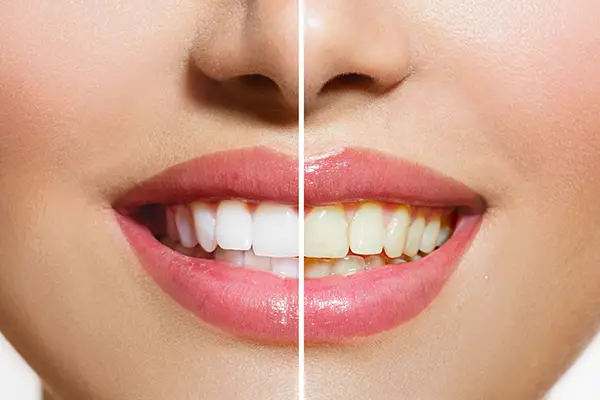 Want a brighter smile? You're not alone! Many people want to lighten the color of their teeth. Over time, teeth can become stained or discolored from things like coffee, tea, wine, smoking, and even just getting older. Luckily, there are several ways to whiten your teeth and achieve a smile you're proud to show off. Let's explore some of the common options available. Want a brighter smile? You're not alone! Many people want to lighten the color of their teeth. Over time, teeth can become stained or discolored from things like coffee, tea, wine, smoking, and even just getting older. Luckily, there are several ways to whiten your teeth and achieve a smile you're proud to show off. Let's explore some of the common options available.
Understanding Tooth Discoloration
First, it’s helpful to understand why teeth change color. There are two main types of tooth discoloration:
| • |
Extrinsic Stains: These are on the surface of the tooth. They're caused by things we eat, drink, or smoke. Think of it like a stain on your favorite shirt. |
| • |
Intrinsic Stains: These are inside the tooth. They can be caused by certain medications, childhood illnesses, or even trauma to the tooth. These are harder to remove than extrinsic stains. |
The type of stain you have will influence the best whitening method for you.
Over-the-Counter Whitening Products
You can find many whitening products at your local drugstore. These usually contain hydrogen peroxide or carbamide peroxide, which are the active ingredients that bleach the teeth.
| • |
Whitening Toothpastes: These toothpastes contain special abrasives that help remove surface stains. They can help maintain whiteness after a professional treatment but usually won't drastically change the color of your teeth. |
| • |
Whitening Strips: These are thin, flexible strips coated with a whitening gel. You apply them to your teeth for a certain amount of time each day. They are relatively easy to use and can be effective for mild staining. |
| • |
Whitening Trays: These come with a tray that you fill with a whitening gel and then place over your teeth. Some are pre-filled, while others require you to mold the tray to your teeth. |
Over-the-counter products are a good starting point for minor staining, but it's important to follow the instructions carefully and be patient. Results can vary and may take several weeks to appear.
Professional Teeth Whitening
For more dramatic and faster results, professional teeth whitening from your dentist is often the best option.
| • |
In-Office Whitening: This involves having your teeth whitened at the dental office. Your dentist will apply a high-concentration whitening gel to your teeth and may use a special light or laser to activate the gel. This method typically provides the most noticeable results in a single visit. |
| • |
Custom Take-Home Trays: Your dentist can create custom-fitted trays that fit your teeth perfectly. You'll receive a whitening gel to use with the trays at home, following your dentist's instructions. This allows for a more controlled and effective whitening process than over-the-counter trays. |
Professional whitening allows your dentist to monitor the process, ensuring your safety and comfort. They can also adjust the strength of the whitening agent based on your sensitivity and desired results.
Important Considerations
Before starting any whitening treatment, it’s important to talk to your dentist. They can examine your teeth, determine the cause of the discoloration, and recommend the best whitening option for your specific needs.
Keep in mind that whitening treatments may cause temporary tooth sensitivity or gum irritation. These side effects are usually mild and disappear shortly after treatment. It’s also important to maintain good oral hygiene habits, such as brushing and flossing regularly, to help keep your smile bright.
Ultimately, the best whitening option depends on your individual needs, budget, and desired results. Talking to your dentist is the best way to make an informed decision and achieve a brighter, healthier smile.
|
|